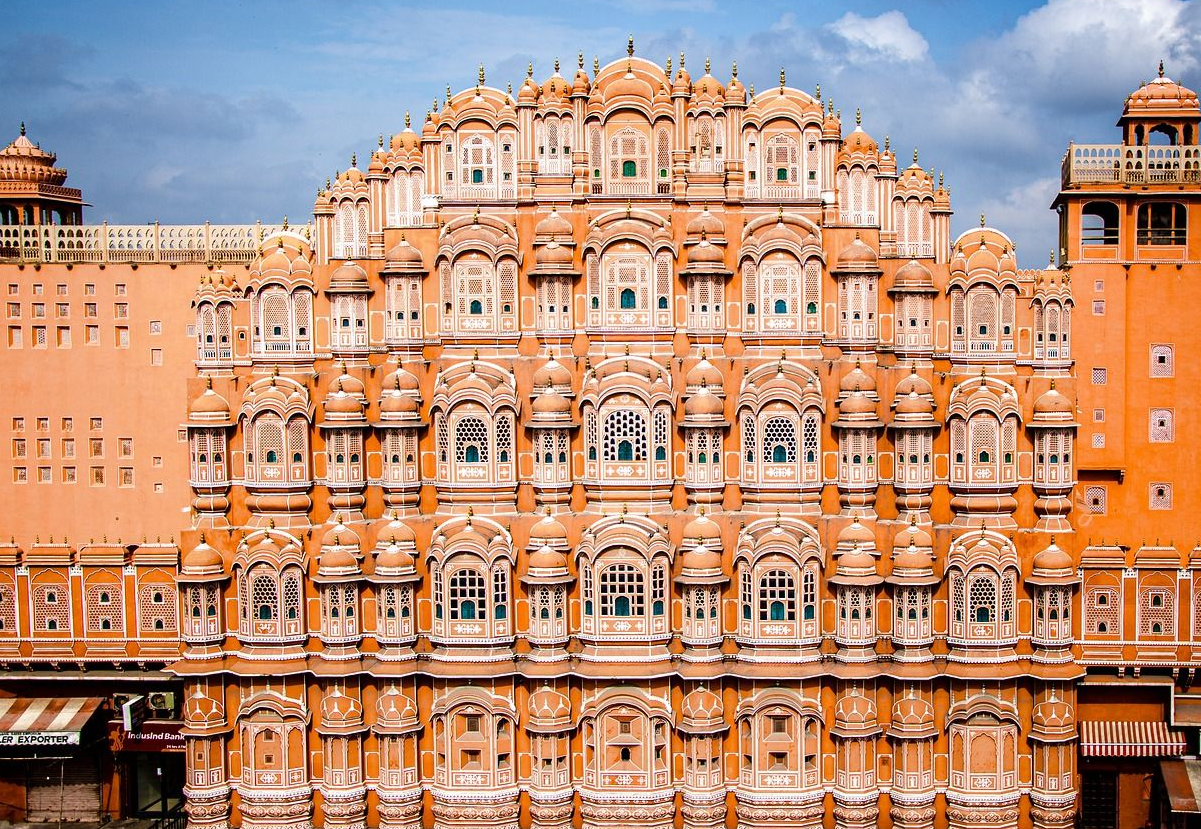
Lakes & Rivers to Visit in Rajasthan: From a tourism perspective, lakes hold great importance in Rajasthan. Among the hundreds of lakes found here, many are man-made while some are natural. The artificial lakes were built by local rulers in the foothills of rivers or mountains to ensure water supply for their people and their kingdoms. These constructions also helped in resolving the water requirements of royal palaces.
Lakes & Rivers to Visit in Rajasthan
The lakes and ponds built in ancient times in Rajasthan still provide drinking water to people and serve as a major attraction for tourists. Many of these water bodies have their own historical significance, and even today, large numbers of visitors come to see them. If you are planning to explore Rajasthan, the information about these lakes will be of great interest to you.
Jaipurview.com
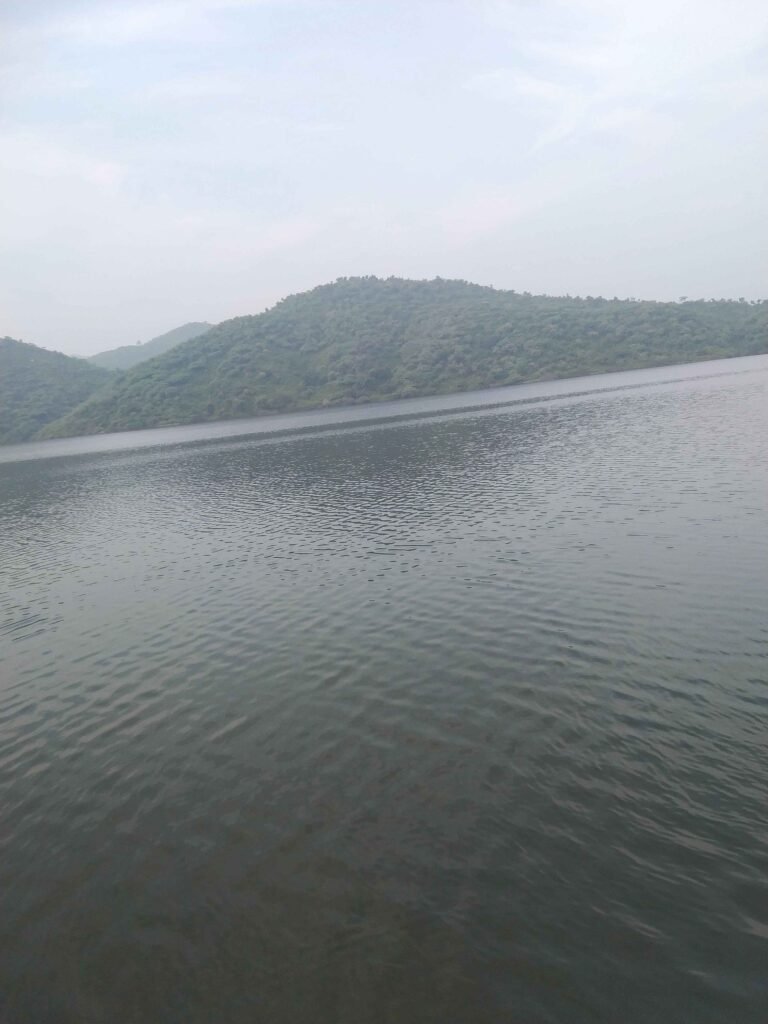
Anand Sagar Lake: This is a Artifical Lake, Also Known as Bai Talab Was Constructed Launchi Bai , Tha Rani Of Maharaval Jagmal Singh Located in the Eastern Part of Banswara, it IS Sourrounded by holy Trees Known as ‘Kalpa Vriksha Famous for Fullfilling the Wishes of Visitors. the Chattris” or Cenotaphs of the Rules of the State are Also Scattered Nearby.
Anasagar Lake: Ana Sagar Lake is a beautiful artificial lake that was commissioned by Arnoraj, the son of Ajmer’s ruler Ajaypal Chauhan, in 1135 CE and was completed in 1150 CE. The lake was named after Arnoraj. Many years later, Mughal Emperor Jahangir enhanced its beauty by creating the Daulat Bagh Garden nearby, and Emperor Shah Jahan added five islands within the lake, which came to be known as the Baradari.
Fateh Sagar Lake: Fateh Sagar Lake is a Charming Lake Surrounded by Hilss and Woods. This Artificial Lake Was Constructed by Maharaja Jai Singh in 1678 Ad and it Lies North of Lake Pichola. It Was Later Reconstructed During the Reign of Maharana Fateh Singh (1830-1930) after the Earthen Bund (Dam) Was Washed Away in Floods .
The Maharaja Built Cannaught Dam to Commemorate the Visit of the Duke of Cannaught and the Lake Was Renamed Faeth Sagar Lake. Faeth Sagar Lake is One of the Four Lakes in Udaipur and it House Three Small Islands . the Largest Among Them, The Beautiful Nehru Island, is Popular With Toursit ; the Second Island has a Public Park and a Spectacular Water Jet Fountain; the Thurd Island is home to the Udaipur Solar Observatory. All the Islands Can be Visited By Motorboats. The Claim, Blue Surface of the Lake Set Against the Green Mountains Make Udaipur India”s Second Kashmir.
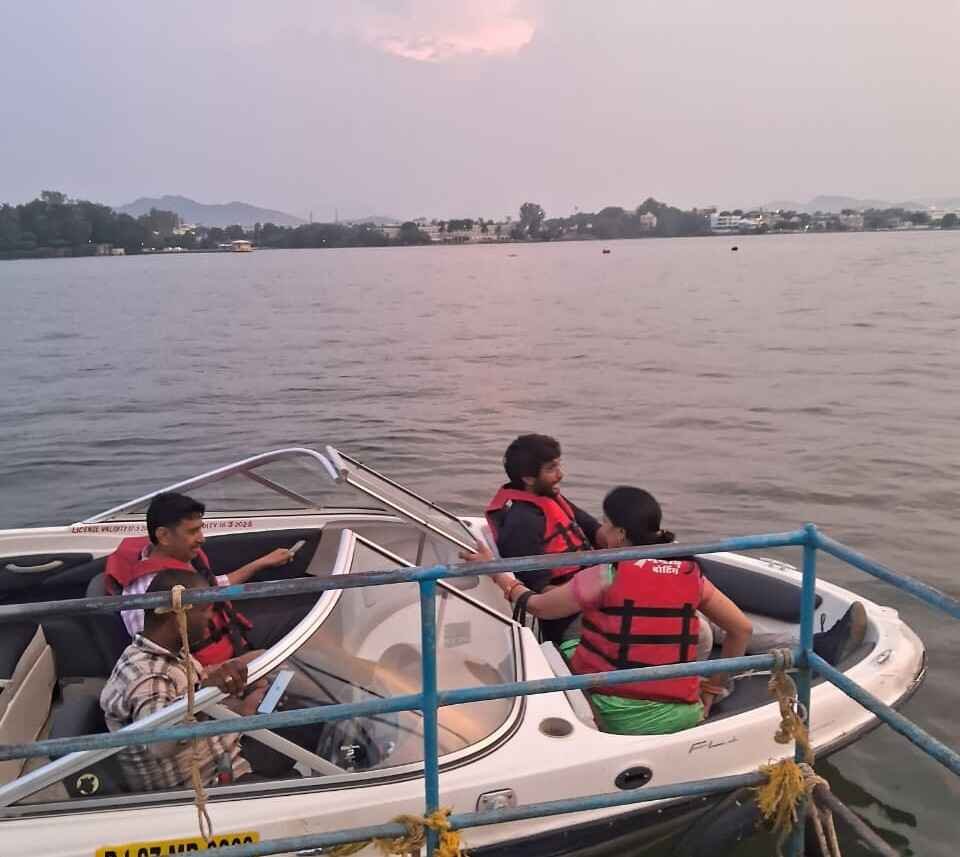
Pichola Lake: Lake Pichola was named after the village of Pichola. The islands of Jag Niwas and Jag Mandir are located within this lake, while the City Palace stands on its banks. A boat ride at sunset offers a mesmerizing view of the lake along with the City Palace.
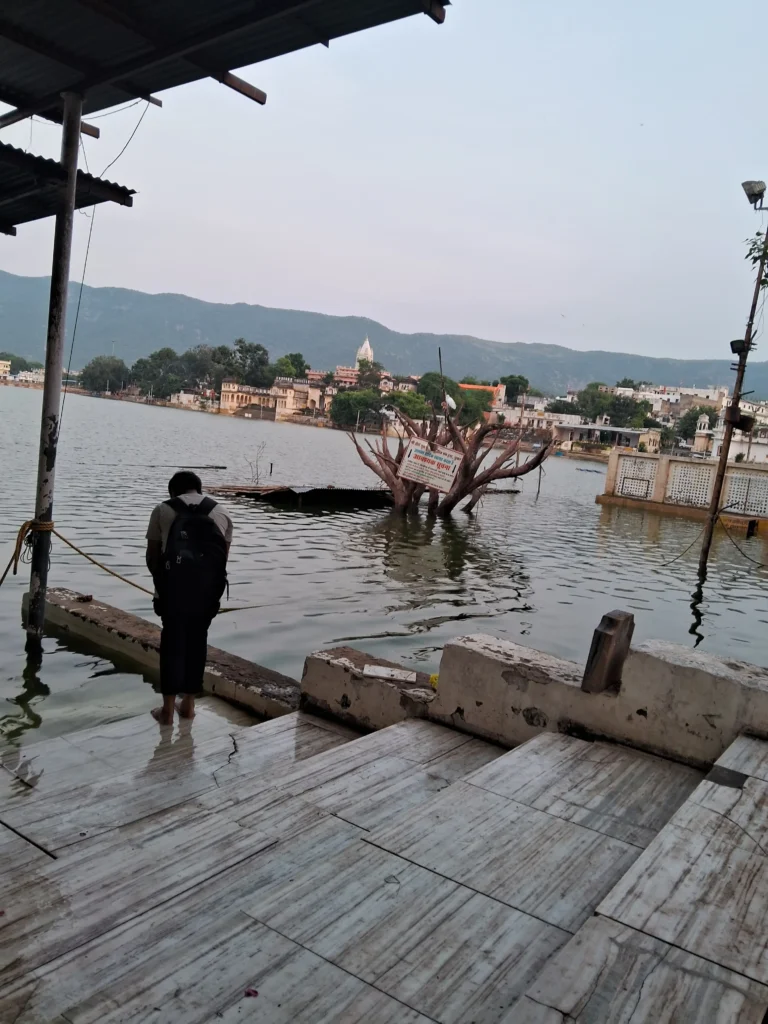
Pushkar Lake: Legend has it that a Lotus Fell From the hands of Lord Brahma, the god of Creation, and Pushkar Lake Was Born, Making it as Old as Creation Itself. Hindu Mythology Speaks About Panch Sarovars Like Mansarovar, Bindu Sarovar, Narayan Sarovar, Pampa Sarovar and Pushkar Sarovar, of Which Lake is Considered to be the Most Sacred. Devoteeds Belive that Bathing in the Waters of the Lake on Kartik Poornima (During the Pushkar Fair) Will Nullify Sins and Cure All Skin Diseases. the Lake Lies Nestled in the Folds of the Arawali Range, Surrounded by the Desert and Hills on All Sides. the Lake has 52 Baithing Ghats and the Water Arround Each Ghat is Believed to Possess Special Medicinal Powers. The Pushkar Lake is a Popular Destination for Pilgrims, as Evidenced by the Over 500 Temples that dot the Banks of Lake.
Uday Sagar Lake:Udaipur city is home to five major lakes, and about 13 kilometers to the east lies Udaysagar Lake. It was created during the reign of Maharaja Uday Singh in 1559 when a dam was built on the Berach River to meet the water needs of his kingdom. The lake came into existence as a result of this dam. In 1573, Kunwar Man Singh invited Maharana Pratap Singh to the banks of this lake to discuss the terms of surrender proposed by Mughal Emperor Akbar. Maharana Pratap declined the invitation, and history notes that he even insulted Man Singh. Three years later, in 1576, the famous Battle of Haldighati took place. Years after that, Maharana Raj Singh defeated Emperor Aurangzeb’s army near Udaysagar Lake and achieved victory. Today, the calm waters of the lake continue to attract visitors and tourists.
Lakes & Rivers to Visit in Rajasthan
Jaisamand Lake: Jaisamand Lake is Renowend For being the Second Largest Artifical Lake in Asia. in Fact, it Used to be the Largest Artificail Lake in Asia Untill Aswan Dam in Egypt Was Not Constructed. Located at a Distance of 48 Kilometers From the City of Udaipur, it Is Also Known as Dhebar Lake. in 186, Maharana Jai Singh Built the Lake During the Construction of the Dam of the Gomti River. Jaisamand Lake Covers an Area of 36 Square Kilometers, it Stretches to a Length of 14 Kilometers and Width of 09 Kilometers.
Lakes & Rivers to Visit in Rajasthan
the Messive Dam Was Constructed on this Lake Also Houses a Centrally Located Shiva Tample. the Summer Palace of the Queen of Udaipur Forms a Perfect Backdrop to the Lake.There Are Six, Intricately Carved Marble Cenotaphs on its Embankment. Jaisamand Lake Comprses Seven Islands, of Which, One is Still Inhabited by the Tribe of Bhill Minas, Graceful Marbel Steps Lead to the Water and You Can Enjoy a Lovely Boat Ride in the Mesmerizing Waters. Jaisamand Lake is Clode to the Jaisamand Sanctuary Which Servers as Habitat to Various Types of Birds, Panthers, Leopards, Deer, Wild Boars and Crocodiles, it is Definitely Worth a Visit.
How to Reach Here
One Can Reach Jaisamand Lake By Taking Local Buses, Tongs (Horse-drawan Carriages), Auto Rickhaws or Taxis From Anywhere in the City.
Rajasamand Lake
Rajsamand Lake, located about 66 kilometers north of Udaipur between the towns of Rajnagar and Kankroli, is a vast water body. It was created between 1662 and 1676 CE by Maharana Raj Singh I, through the construction of a dam across the Gomti, Kelwa, and Tali rivers. The purpose behind building the dam and the lake was to provide employment to famine-stricken people during severe droughts and to offer irrigation facilities to local farmers through canals.